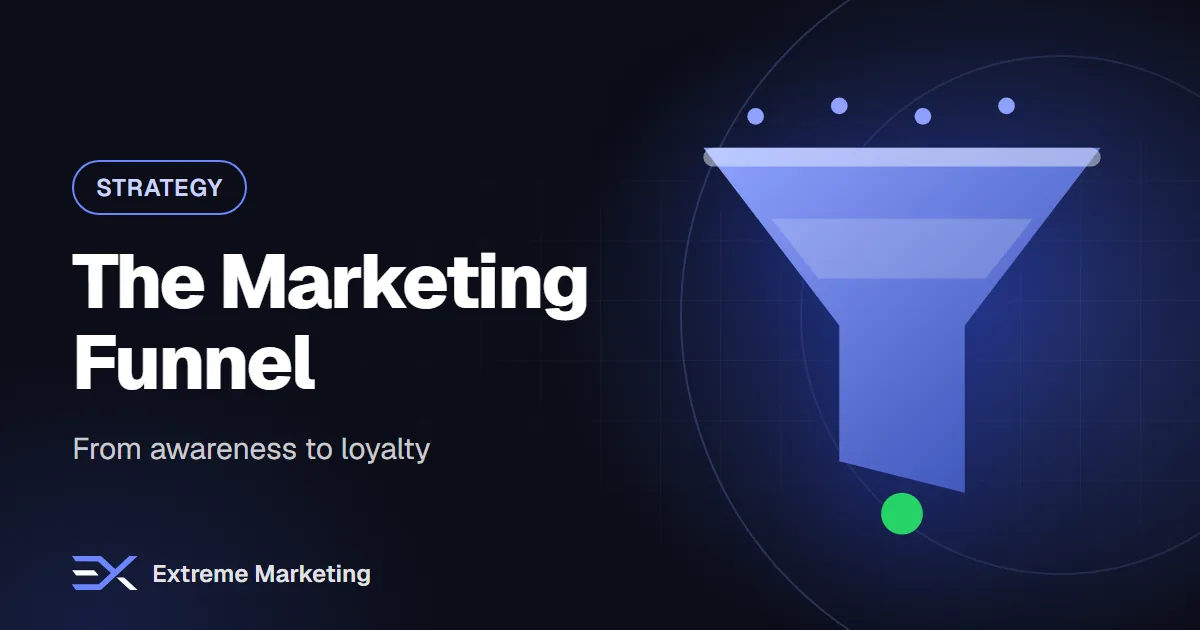
Most customers do not discover a business and buy on the same day. They notice you, learn more, compare, decide and, if you serve them well, return and recommend you. A marketing funnel is a simple way to picture this journey and to plan what content, channels and offers fit each stage. It is a thinking tool, not a rigid law, but it helps you avoid common mistakes such as asking for a sale too early or ignoring customers after they pay.
This guide walks through five stages, with practical examples and metrics for small businesses in the UAE.
The five stages
- Awareness: people learn that you exist.
- Consideration: they evaluate whether you fit their needs.
- Conversion: they decide and buy or book.
- Retention: they have a good experience and come back.
- Advocacy: they recommend you to others.
Real journeys are not always linear. People jump around, but the stages help you cover every part.
Stage 1: Awareness
At this stage people may not know they need you, or may not know you exist. Your goal is to be seen by the right people and to leave a positive first impression.
Typical channels
- Social media content, especially short video.
- Paid ads on Meta, TikTok, Snapchat, LinkedIn or YouTube.
- SEO and helpful blog content.
- Local presence: Google Business Profile and maps.
- Influencers and creators, with compliance with UAE advertiser rules.
- Events, partnerships and word of mouth.
Content that works
Educational and entertaining content that speaks to a problem or interest, with no hard sell.
Metrics
- Reach, impressions and video views.
- Website visitors from new sources.
- Follower growth among the right audience.
- Branded searches.
Stage 2: Consideration
People now know who you are and are comparing options. They want proof, detail and reassurance.
Typical channels
- Your website: service pages, pricing context and frequently asked questions.
- Email nurture and welcome sequences.
- Retargeting ads to people who visited or engaged.
- Reviews and case studies.
- WhatsApp conversations to answer questions.
- Comparison content and webinars.
Content that works
Guides, comparisons, testimonials, demos, price information and answers to objections.
Metrics
- Time on key pages and pages per visit.
- Email sign-ups and downloads.
- Replies and enquiries.
- Retargeting engagement.
Stage 3: Conversion
This is the moment of decision. Remove friction and give people confidence to act.
Typical channels and tactics
- Clear calls to action: book, call, WhatsApp, buy.
- Fast, mobile-friendly landing pages and checkout.
- Limited-time or first-order offers, used honestly.
- Click-to-WhatsApp ads and quick replies for hot leads.
- Follow-up within minutes for enquiries.
- Cart and booking recovery messages.
Metrics
- Conversion rate from visitor to enquiry and from enquiry to sale.
- Cost per lead and cost per customer.
- Average order value.
- Speed of response to enquiries.
Stage 4: Retention
A customer who returns costs far less to serve than a new one costs to win. Look after them.
Typical channels and tactics
- Smooth onboarding and clear aftercare.
- Order, booking and delivery updates by WhatsApp or email.
- Helpful tips and reminders to rebook or reorder.
- Loyalty offers and early access.
- Segmented newsletters and personalised recommendations.
- Quick, kind support when something goes wrong.
Metrics
- Repeat purchase or rebooking rate.
- Customer lifetime value.
- Time between purchases.
- Churn or lapse rate.
- Customer satisfaction scores.
Stage 5: Advocacy
Happy customers become your best marketers if you make it easy and rewarding.
Typical channels and tactics
- Ask for reviews at the right moment, with a simple link.
- Referral programmes with fair benefits for both sides.
- Feature customer stories and content, with permission.
- Create a community or a branded hashtag.
- Say thank you publicly and privately.
Metrics
- Number and rating of reviews.
- Referral leads and conversions.
- User-generated content.
- Net promoter or recommendation scores.
Map your funnel in one page
- Write the five stages in columns.
- Under each, list your current channels, content and offers.
- Mark the gaps: where do customers get stuck or disappear?
- Choose one improvement per stage.
- Decide the metric that shows each stage is working.
- Review monthly.
A small business example
Imagine a dental clinic in Dubai. Awareness: short videos explaining common dental questions and local maps visibility. Consideration: service pages, reviews and a WhatsApp chat for questions. Conversion: easy booking with confirmation and reminders. Retention: recall messages for check-ups and aftercare tips. Advocacy: review requests and a gentle referral invitation. All of this follows the clinic's advertising and privacy rules.
Common funnel mistakes
- Pushing for a sale at the awareness stage.
- Investing in awareness but neglecting follow-up.
- No content for people comparing options.
- Slow responses to leads.
- Ignoring customers after purchase.
- Measuring only top-of-funnel numbers like likes.
- Treating the funnel as a straight line and missing loops, such as returning customers who start again at consideration.
Balancing your budget across stages
A common instinct is to spend everything on ads for awareness. But conversion and retention often offer the best returns. Make sure you can respond to leads, close sales and care for customers before you scale awareness. A healthy plan invests in each stage in proportion to where the biggest gaps are.
Frequently asked questions
Is the funnel outdated?
Customer journeys are more complex than a straight line, but the stages remain a useful checklist.
Which stage should I focus on first?
Fix the leakiest stage: often conversion and follow-up for small businesses, before spending more on awareness.
How long does a funnel take to work?
It depends on your sales cycle. Service businesses may see results in weeks, while high-value purchases take months.
Our team maps your customer journey and builds campaigns, automation and reporting for each stage. Message us on WhatsApp or book a free 30-minute call.
Want help putting this into practice?
Book a free audit and we will review your marketing and suggest the quickest wins.